
Which window-cleaning robot is worth buying? Compare five models based on cleaning performance, ease of use, features and value for money.

Updated October 2026
MODELS RESEARCHED
FINALISTS SELECTED
Our Top 5 Picks
Five robots, compared side by side.
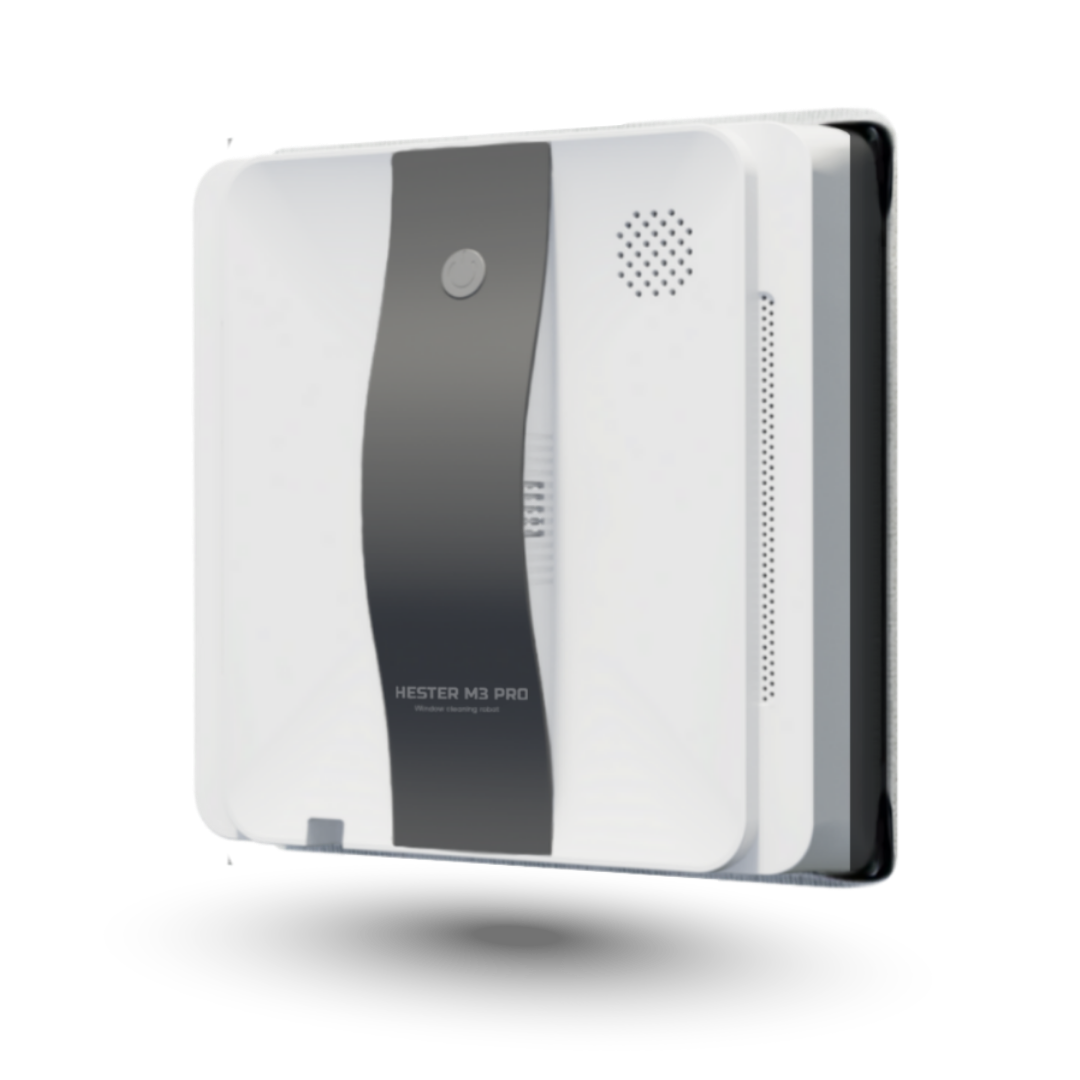
HESTER M3 PRO
A versatile window cleaning robot that combines smart navigation, close-to-edge cleaning and straightforward everyday use.
Why it stands out
The HESTER M3 PRO combines dual water spraying with separate cloths for cleaning and polishing. It cleans close to window edges and works on windows, mirrors and glass doors. Voice prompts also let you know what’s happening during the cleaning cycle without being constantly distracting.
The HESTER M3 PRO is our Best Overall pick thanks to its combination of practical cleaning features, simple controls and versatility. We particularly liked how close it cleans to window edges and the option to polish the glass after washing. It takes much of the effort out of regular window cleaning, although heavily soiled glass may need an extra pass. Overall, it’s a well-rounded choice for keeping windows and other glass surfaces clean.
What we like
- Dual spray system for everyday dirt
- Cleans close to window edges
- Separate cloths for cleaning and polishing
- Works on framed and frameless glass
- Remote control and a voice prompt when cleaning is finished
Things to consider
- Must stay plugged in while cleaning
- Heavily soiled glass may need more than one pass
- Polishing requires changing the cloth
- No storage case included for the robot and accessories
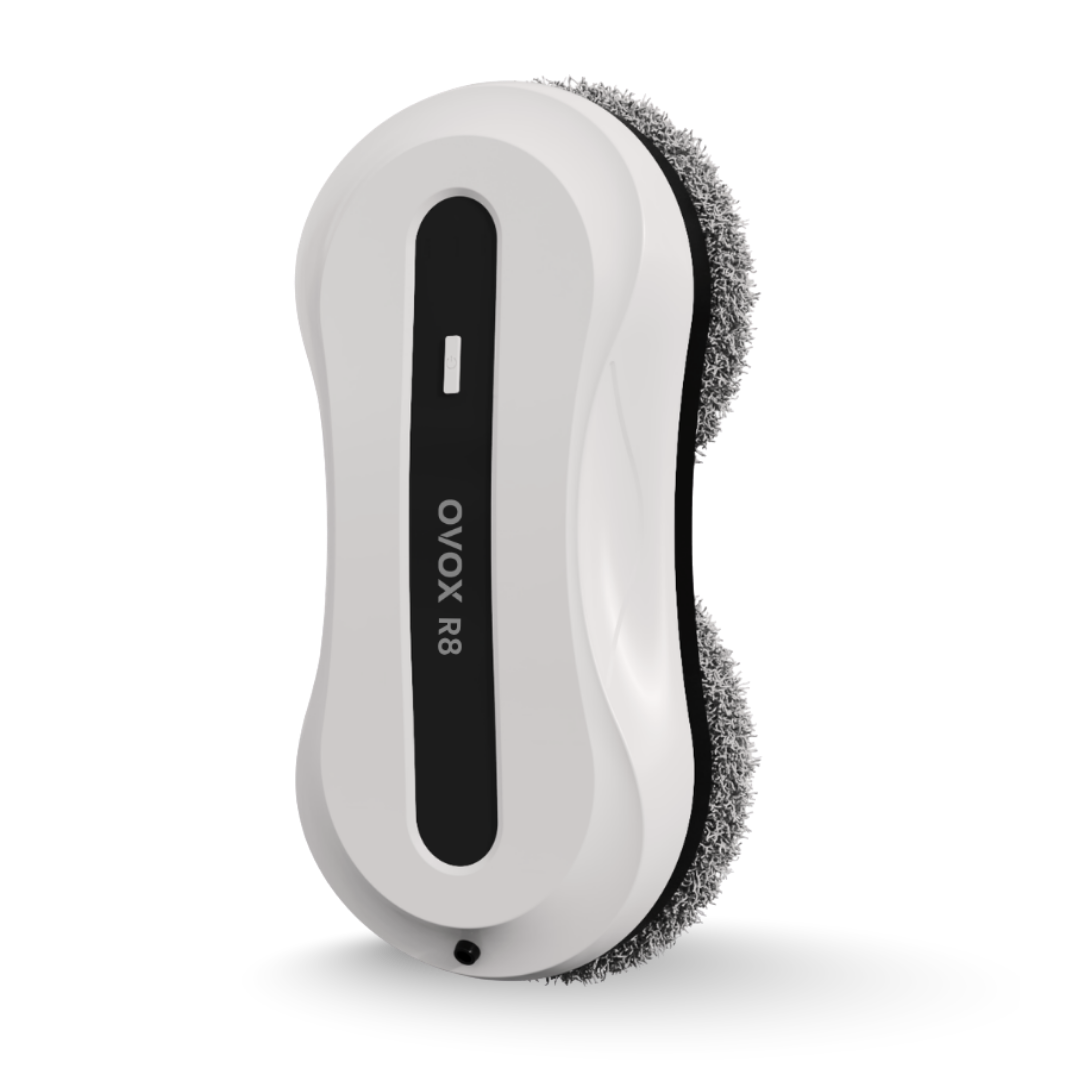
OVOX R8
Why it stands out
What makes the OVOX R8 interesting is its rotating cleaning pads, which move in a way that’s similar to wiping glass by hand. It also sprays water in both directions and uses smart navigation to move across the window. The slim design is another nice touch, making the robot easy to handle and position.
The OVOX R8 is a good option if you want a window cleaning robot without spending too much. It offers a useful range of features for everyday cleaning, comes with plenty of spare cloths and is straightforward to operate. Although the smaller water tank may require more frequent refilling, its practical features and affordable price make it a solid choice for regular window maintenance.
What we like
- Rotating pads that mimic hand-wiping movements
- Dual-direction spraying helps loosen everyday dirt
- Slim design that’s easy to handle
- Comes with 10 cleaning cloths
- Smart navigation and remote control
Good value for money
Things to consider
- Small water tank may need refilling
- Requires a power outlet while cleaning
- Not recommended for windows smaller than 50 × 50 cm
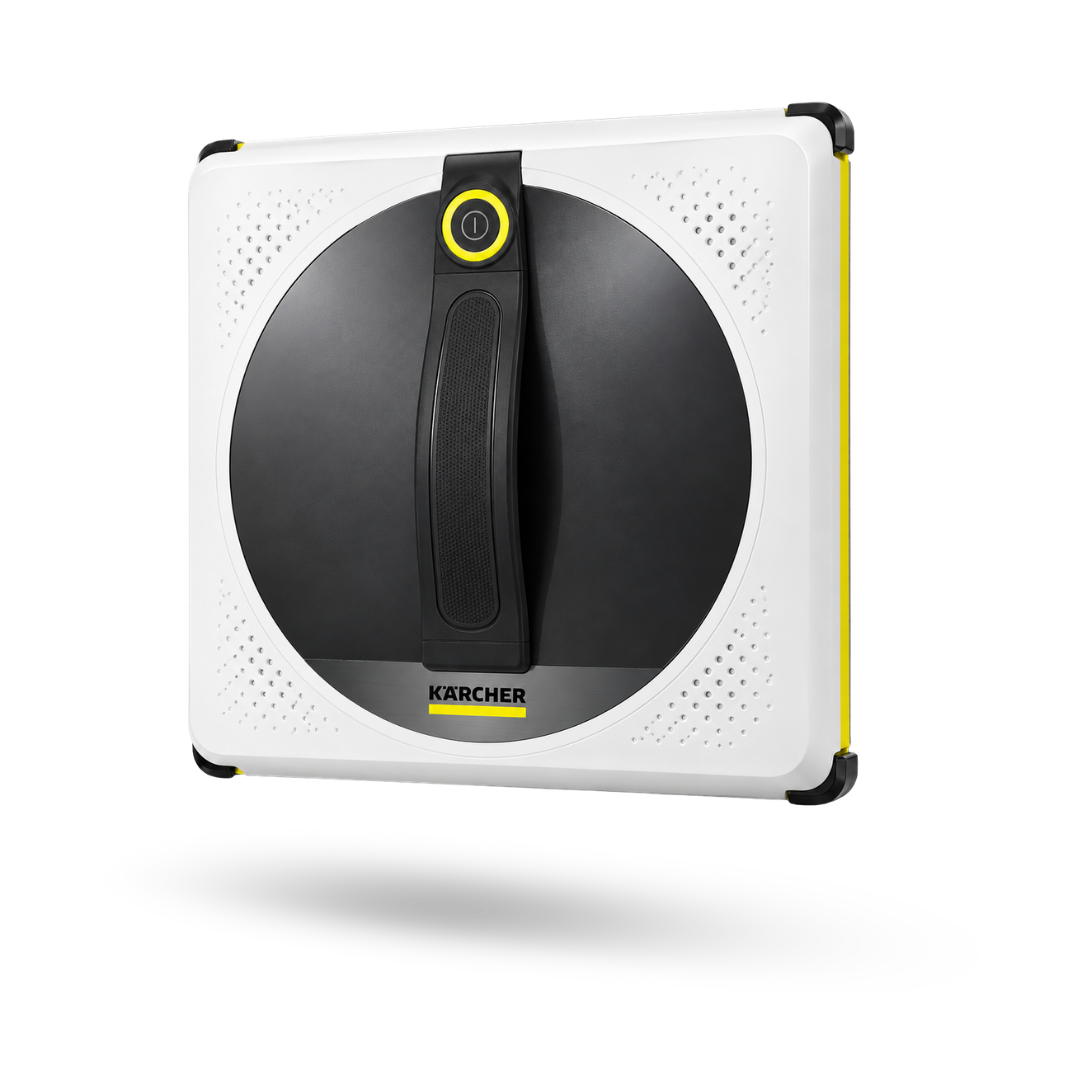
Kärcher RCW 4
Why it stands out
The Kärcher RCW 4 caught our attention with its large 150 ml water tank and five cleaning modes. We also liked the way it keeps the cleaning cloth moist throughout the cycle, while its sensors help guide it across the window. The 40-minute emergency backup is another useful addition, especially when cleaning higher windows.
The RCW 4 has some useful features, but the cleaning results didn’t quite meet our expectations. We noticed streaks, uneven cloth moistening and missed areas near the corners. The robot also struggled with tougher dirt and occasionally had trouble moving smoothly. Its larger water tank and safety features are welcome, but the inconsistent results kept it in third place.
What we like
- Large 150 ml water tank
- Five cleaning modes to choose from
- Continuous cloth moistening system
- 40-minute emergency safety backup
- Simple remote control and voice updates
Things to consider
- Left visible streaks on the glass
- Didn’t fully reach window corners
- Sometimes failed to return to its starting point
- Water wasn’t sprayed evenly
- Struggled with stubborn dirt
- Cleaning took longer than expected
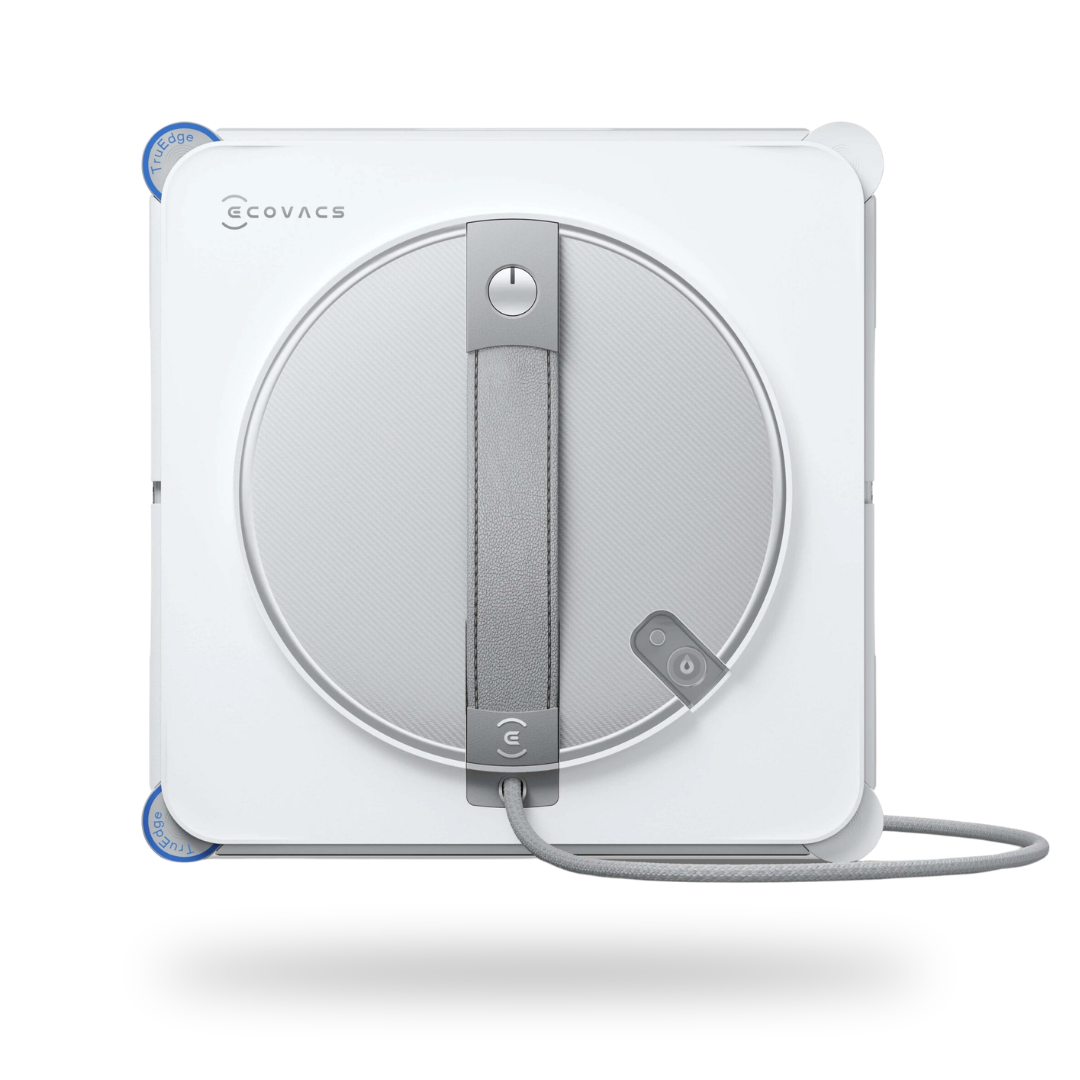
Ecovacs W2S
Why it stands out
The ECOVACS W2S caught our attention with its rotating edge scrubbers, designed to clean closer to window corners. It also comes with a triple-nozzle spray system and seven cleaning modes that can be selected through the app. We particularly liked its modern design and variety of cleaning options, which make it an interesting choice on paper.
The W2S has some impressive features, but the actual cleaning experience didn’t quite meet our expectations. We noticed streaks on the glass, and the robot struggled to reach some corners. Navigation was another weak point, with occasional interruptions and trouble returning to its starting position. While we liked the technology behind it, the inconsistent cleaning results and reliability concerns kept it in fourth place.
What we like
- Rotating edge scrubbers designed for corner cleaning
- Triple-nozzle water spraying
- Seven cleaning modes to choose from
- Smart navigation and app controls
- Sleek, modern design
- 30-minute emergency safety backup
- Convenient controls for larger windows
Things to consider
- Left visible streaks after cleaning
- Didn’t fully reach window corners
- Had trouble connecting to the mobile app
- Got stuck during some cleaning cycles
- Didn’t always finish cleaning the window
- Sometimes failed to return to its starting point
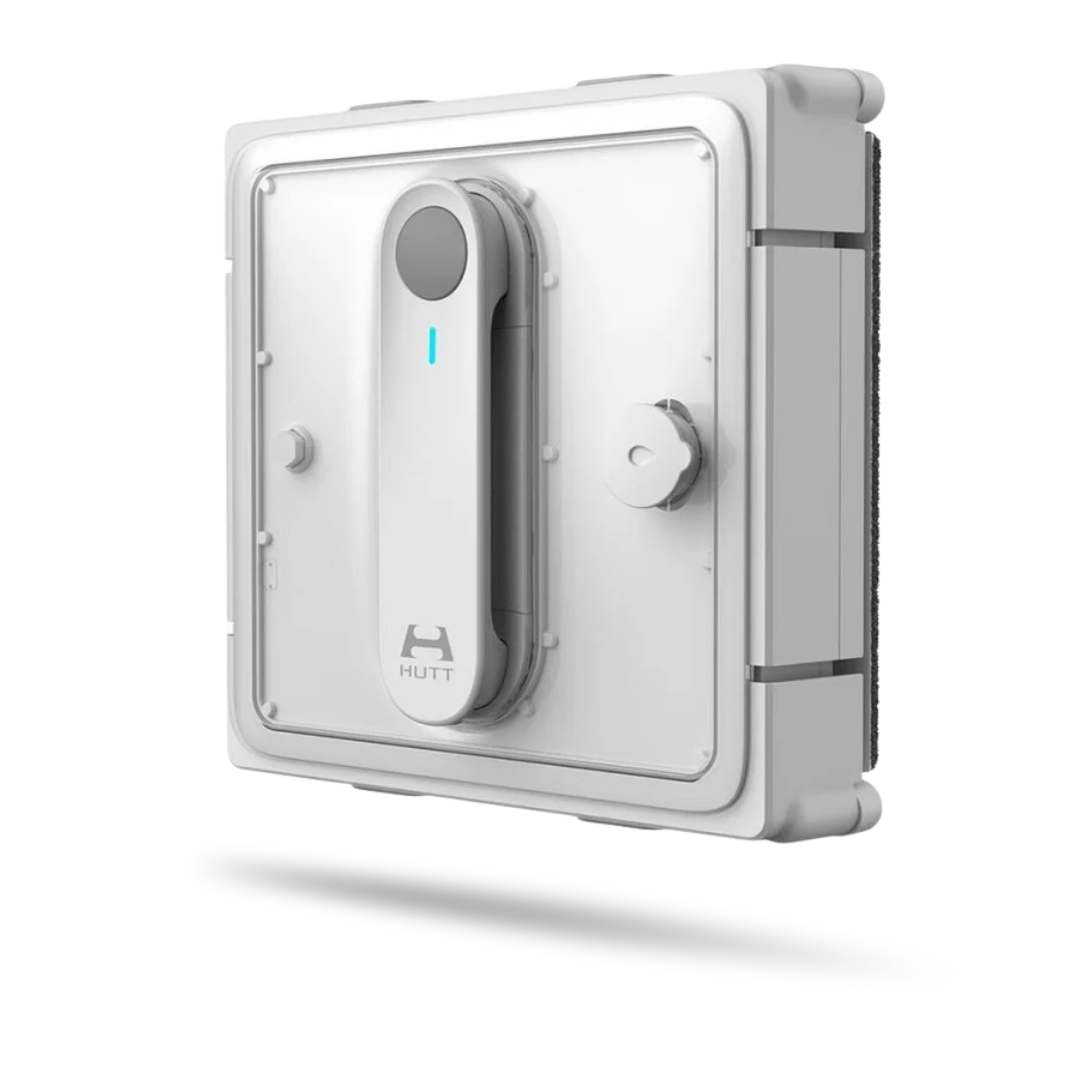
Hutt W9
Why it stands out
What we like about the HUTT W9 is its large 150 ml water tank and four spray nozzles, which are useful when cleaning several windows. It also adjusts suction automatically and offers straightforward remote control. These are practical features, especially if you prefer a robot without complicated settings.
The HUTT W9 has some useful features, but its cleaning performance was less consistent than we had hoped. Streaks remained on parts of the glass, and the water wasn’t always sprayed evenly. We also found that some areas near the edges needed additional attention, while navigation interruptions made the cleaning process less convenient. Although the large tank and simple controls are positives, the overall results kept it in fifth place.
What we like
- Large 150 ml water tank
- Four nozzles for automatic water spraying
- Suction adjusts to the glass surface
- Simple remote control with planned cleaning paths
- Emergency backup and useful included accessories
- Convenient bag for storing the robot
Things to consider
- Left visible streaks after cleaning
- Water wasn’t sprayed evenly
- Didn’t fully clean along window edges
- Stopped before completing some cleaning cycles
- Struggled to remove stubborn dirt
- Didn’t always follow the expected cleaning path
The winning score
The strongest all-round result. Reliable cleaning, close edge reach and straightforward operation helped HESTER secure the top position.
HESTER M3 PRO takes first place with a 9.8/10 overall score. Its balanced combination of cleaning performance, edge coverage and ease of use sets it apart from the competition.
Same task. Different ways to clean.
HESTER M3 PRO
OVOX R8
Kärcher RCW 4
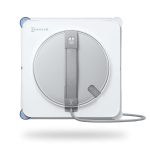
ECOVACS W2S
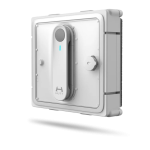
HUTT W9
What people
notice first
What buyers mention
Source: Selected published reviews on HESTER’s official product page
Store rating as displayed in October 2026.
Impressed by our winner? See what HESTER has to offer
Explore the HESTER M3 PRO on its official website. Check the latest price, available offers, and delivery options.
You ask. We explain.
If window cleaning is not your favorite type of house chore, then you might want to consider purchasing one. Also, if you live on a higher floor or your window does not open, it is a great and safe way to enjoy a clean environment.
Window cleaning robots are also very useful in commercial premises for cleaning your office or shop windows.
Window-cleaning robots need a power source to operate
Wired robots (recommended)
If you want a smooth cleaning without interruption and not to worry about recharging the batteries, go with the wired window-cleaning robots. Also, they come with a built-in emergency battery in case of an electricity outage. It allows the robot not to fall on the ground.
Wireless robots
Wireless (battery-powered) robots need charging, so you want to plan the cleaning. Also, the amount of cleaning time is limited depending on the battery life.
Great question! The window-cleaning robot can also clean mirrors, tiles, shower cabins, and conservatory glasses. Some models can even clean the TV screen and uneven surfaces.
People, who have window robots, encounter a problem – their robots cannot reach edges and corners. Some manufacturers have solved this problem by creating square-shaped devices, because such a design makes it easier to adapt to the edges of the window. In terms of “Hester M3 PRO “, its angles are also rounded – it not only cleans corners and edges, but also does not damage and scratch the window frame.
The maintenance of the robot is minimal – all you have to do is wash the cloths, clean the castors and charge the battery(if needed). It is recommended to wash the cloths after each cleaning by hand or in the washing machine, at a low temperature of up to 30 degrees, without using a fabric softener and other rinsing agents. The castors and caterpillars are also recommended to be cleaned after each cleaning with a damp cloth so that they will not leave traces on the glass.
Window-cleaning robot stays on the surface usually in two ways: by a powerful vacuum pump or magnetic connector. Robots with the magnetic connector are fixed on one side of the window and the magnet on the other. It can be a problem if the windows are partitioned or unbraced.
The robot is smart and, therefore, it does almost all the work itself. All you have to do is to put on the cloths, connect the robot to the mains and attach the safety rope. When the robot is ready for work, place it on the surface and, after pressing the power button, specify the cleaning program. If your robot does not have an automatic liquid spray function, then you will have to manually moisten the cloths.
Various protection systems ensure smooth and safe cleaning. A powerful vacuum pump keeps a strong suction so the robot won’t fall from the surface. Edge detection usually prevents the robot from falling during frameless surface cleaning. Extra batteries keep the device on the window in case of power cuts, and a safety rope keeps the robot from crashing on the ground if it does fall.
Each window-cleaning robot can come with different cleaning stages that allow it to effectively clean the surface. It can include different cleaning paths and modes. For example, a robot can wet clean the window and then polish it, leaving a sparkling and clean finish.
All the window-cleaning robots we tested can be controlled using either a remote control or a smartphone. To control the robot with a smartphone, you need to download and install a dedicated app. You also need to make sure your phone has enough battery while using it.
Both control methods allow you to select cleaning programs, change the direction of movement, return the robot to its starting point, or repeat the cleaning process in areas that require extra attention.
All five models we tested automatically return to their starting point once they have finished cleaning. This means there is no need to manually guide the robot back to a reachable position before moving it to another window or surface.
Unfortunately, there are still window-cleaning robots on the market that do not clean the entire window and may stop in random or hard-to-reach places.
In all cases, we recommend using only the fluid specified by the manufacturer of the robot. If, however, no fluid has been specified by the manufacturer, then use a cleaning fluid that does not foam and does not leave a film on the surface resulting from chemicals it contains.
Each manufacturer states differently, so make sure to read the user manual. As a standard, robots are not recommended to be used during rain, snow, or when the temperature drops below +5°C.
During our testing, we noticed that the quality of the cleaning cloths has a significant impact on cleaning performance. Different cloths absorb different amounts of dirt and moisture, which can affect how often they need to be replaced and whether streaks are left behind.
The HESTER M3 PRO performed particularly well in this area. Its cleaning cloths are thicker and softer, with longer fibres that absorb moisture and dirt effectively. During our tests, we were able to clean the same windows while changing the cloths less frequently, without leaving noticeable streaks behind.
The manufacturer has also paid attention to how securely the cloths are attached to the robot. Throughout our testing, the HESTER M3 PRO cloths remained firmly in place and did not slip off during cleaning.
Wet cleaning
Window-cleaning robots generally use either dry or wet cleaning. Dry cleaning relies on the cleaning cloths alone, while wet cleaning uses liquid to help loosen dirt and clean the glass more effectively.
Manual moistening
With robots that do not have an automatic spraying system, the user needs to periodically remove the robot and manually moisten either the cleaning cloth or the window surface. This may need to be repeated several times when cleaning larger windows.
Automatic moistening
Robots equipped with an automatic spraying system can dispense cleaning liquid directly onto the glass while they are working. This helps keep the cleaning surface appropriately moist throughout the cleaning cycle.
Advantages of automatic moistening
Automatic spraying makes the cleaning process considerably more convenient because there is less need to monitor the cloths and manually re-moisten them. If the cloth becomes too dry, cleaning performance may decrease and streaks or uncleaned areas can remain on the glass.
The HESTER M3 PRO uses an automatic spraying system that distributes cleaning liquid while the robot moves across the window. This helps maintain consistent moisture and allows the robot to continue cleaning with less manual intervention.
For the user, this means less stopping, less manual spraying and a more convenient window-cleaning process overall.
Window cleaning robots have powerful motors, which make noise when they operate. To reduce the noise, the manufacturers install sound insulation systems, which reduce the emitted sound to about 60-70 dB. The sound of 60 dB is equal to laughter, while the sound of 70 dB – to the hum of the hair dryer. Therefore, a difference of as many as 10 decibels is quite significant when we talk about a quite environment at home.
The “Hester M3 PRO” is powerful, but silent. Its 80 W motor emits a sound of up to 60 dB. Other robots emit a sound of 70 dB, because they are slightly more powerful than the “OVOX” robot. But we did not notice that it has a big impact on the difference of the duration of the operation.
Josh Robinson
Technology & Product Review Writer
● Engineering graduate · University of Aberdeen
Making technology easier to understand.
Josh Robinson graduated from the University of Aberdeen in Scotland with a degree in engineering in 2003. Since then, he has gained experience in writing articles, reviewing products and providing expert advice.
With a strong interest in technology and innovation, Josh focuses on simplifying complex product features and helping readers understand which products best suit their everyday needs.
Better information. Smarter decisions.
Understanding the differences between window-cleaning robots can make choosing the right one much easier. This comparison highlights the practical features worth considering before making a purchase.